First off, it's all about your electricity rates. Depending on your utility provider, you might be on a time-of-use plan, meaning rates can vary at different times of the day. Charging during off-peak hours can significantly lower your EV charger utility bill. Keep an eye on your electricity rates, and see if your provider offers special rates for EV owners.
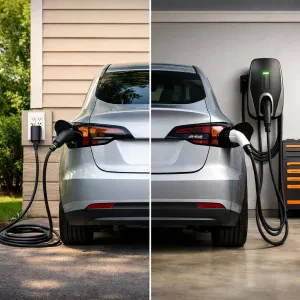
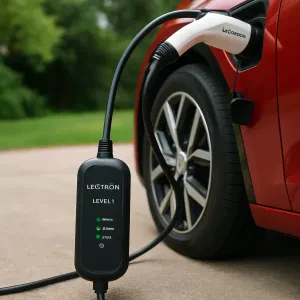
Secondly, consider the efficiency of your charger. Not all chargers are created equal. A Level 2 charger is generally faster and can be more efficient than a standard Level 1 outlet, but it might cost you a bit more upfront. If you do a lot of charging, investing in a high-quality charger could save you money in the long run by reducing overall charging time and energy use.
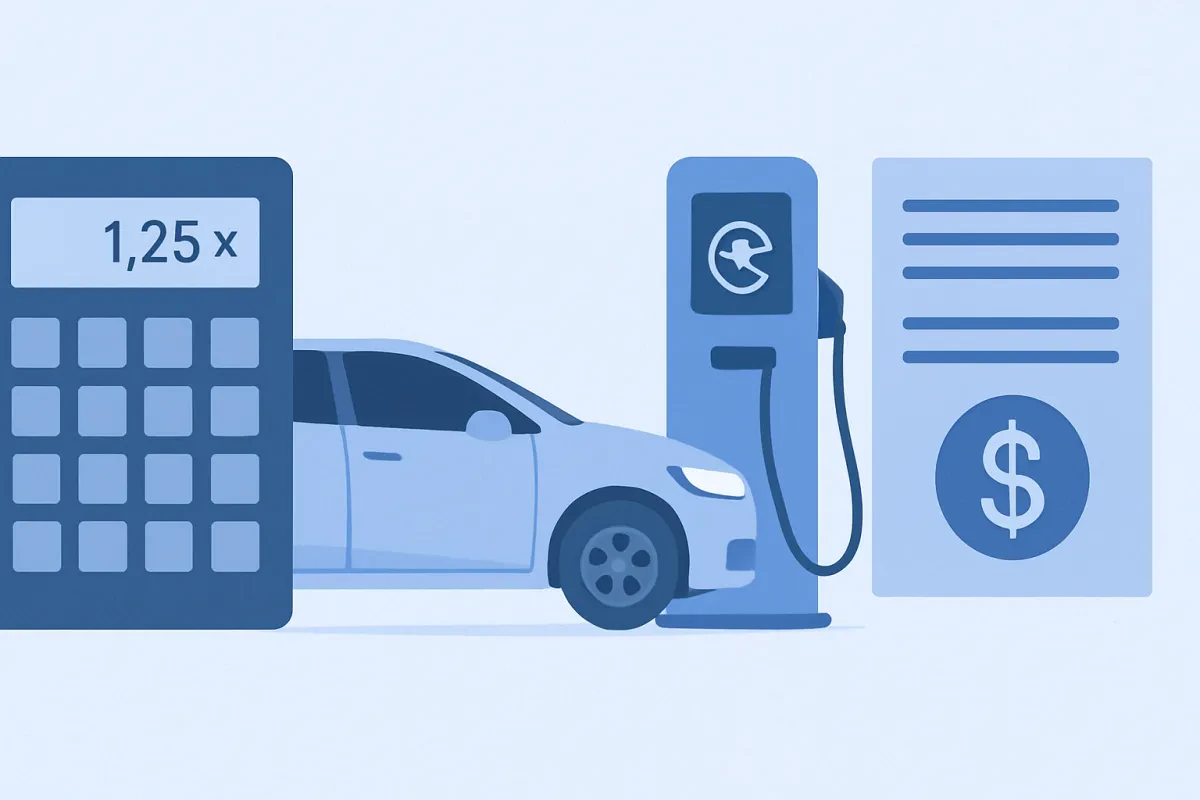
Finally, calculating your charging costs really boils down to simple math. Take the kilowatt-hour (kWh) rate charged by your utility and multiply it by the kWh consumed by your charger. It’s straightforward, and you can easily find the average consumption of your EV in the manual or online.
Getting a handle on your EV charger utility bill calculating process means you can enjoy the full benefits of your electric ride without any surprises when the bill arrives. With a little attention and planning, you’ll keep those costs low and your driving experience enjoyable!
Factors That Impact Your Utility Bill
When it comes to using your EV charger, knowing what affects your utility bill can save you some headaches at the end of the month. Several factors play a big role in how much you'll end up paying. Let's break it down.
First up is your local electricity rates. These rates vary by location and can change depending on the time of day, especially if your utility company offers time-of-use rates. Charging during off-peak hours can help you save some cash, so check with your provider to see what's best for your area.
The size of your battery also makes a difference. Bigger batteries take longer to charge, which can increase your electricity usage. If you’re often running on low and need a full charge, you might want to factor that in when you’re EV charger utility bill calculating.
Don’t forget about efficiency losses during charging. Not every drop of electricity that goes into your EV turns into usable energy. Some is lost as heat, especially with older chargers. Investing in a newer, efficient charger can minimize those losses and help keep your bills lower.
Lastly, think about how often you charge. If you’re commuting daily and always charging your vehicle, your bill will be higher than if you only charge once a week. Sticking to a regular charging routine can help you better predict your EV charger utility bill.
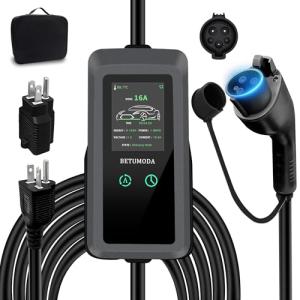
Portable 16Amp Level 1&2 EV Charger for Home-Travel
Charge your electric vehicle at home or on the go with this versatile and easy-to-use charger
Product information
$99.99 $85.99
Product Review Score
4.99 out of 5 stars
225 reviewsProduct links
Tips to Save on Charging Expenses
Want to keep your EV charger utility bill from running away? Here are some simple tips to help you save on charging expenses.
First up, timing is everything. Most utility companies offer lower rates during off-peak hours. Try charging your vehicle late at night or early in the morning. This way, you’ll be hitting those lower rates and saving some cash. It’s a win-win.
Next, consider investing in a smart charger. These chargers can be set to charge your car at times that cost less. Many even let you monitor your usage through an app, giving you control over when and how much you charge. It’s great for keeping those costs in check while also being convenient.
Lastly, check if your utility company offers any rebates or incentives for electric vehicle owners. Some places give discounts or credits just for using an EV charger, which can really lighten your overall expenses. It’s definitely worth investigating!
All these tips can make EV charger utility bill calculating a lot easier and save you serious money in the long run. Happy charging!
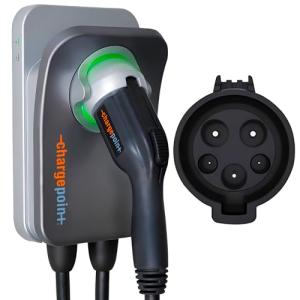
ChargePoint Home Flex Level 2 EV Charger
The ChargePoint Home Flex Level 2 EV Charger makes charging your electric vehicle quick and convenient at home
Product information
$639.00
Product Review Score
4.38 out of 5 stars
230 reviewsProduct links
Estimating Your Monthly Charging Fees
First, check your EV’s battery size and how much it costs to fill it up. Most EVs have a battery capacity measured in kilowatt-hours (kWh). For example, if your EV has a 60 kWh battery and your electric utility charges 12 cents per kWh, you’d multiply 60 by 0.12 to get around $7.20 to fully charge from empty.
Now, you probably won't be charging from empty every time. Think about how many miles you drive each week. Most people don’t drive enough to empty their battery daily, so you typically only need to charge partially. If you drive 250 miles a week and your car uses about 4 miles per kWh, you’ll need about 62.5 kWh a week. That adds up to about $7.50 a week or around $30 a month.
Another factor is how often you charge at home versus public stations. Charging at home is usually cheaper than at public stations if they have higher rates. Keep an eye on where you charge and factor that into your total cost. It all adds up, and that’s where useful tools come in handy for EV charger utility bill calculating.
Lastly, don’t forget to consider any special programs your utility may offer. Some places have discounts for charging during off-peak hours, which can help you save even more. By being aware of your usage and rates, you can take control of your EV charging expenses without any surprises!