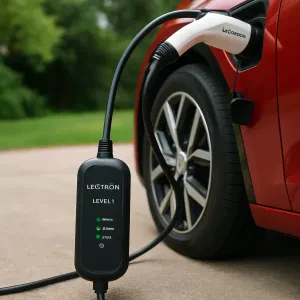
Electric vehicles (EVs) are shaking things up in the energy world. As more people switch to EVs, the demand for electricity is changing. It’s not just about charging up a car; it's also about how we use energy in our homes and businesses. When everyone charges their cars at the same time, especially at night, it can put a real strain on the energy grid.
Let’s break it down. Imagine it’s 6 PM, and everyone’s coming home from work. You’ve got your EV plugged in, the dishwasher running, and the TV on. Multiply that across a whole neighborhood, and you can see how quickly demand spikes. Utilities need to be ready for those busy times. They're working to adapt by building smarter grids that can handle this new load.
But it’s not all about pressure; there are some cool perks too. EVs can actually help with energy storage. Think of it this way: when there’s extra energy on the grid, your EV can store that power. Then, when the grid gets busy or needs a boost, your car can send energy back. It’s a win-win! This ability to act like a mobile battery can help stabilize the grid.
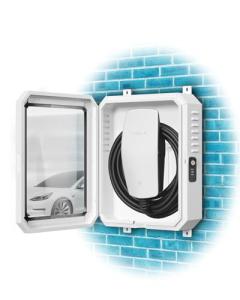
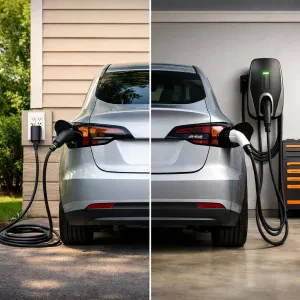
With all these changes, we’re seeing some exciting technology pop up. Charging stations are becoming more common, and they’re not just for plugging in anymore. Many are using solar panels and other renewable energy sources. This means that as we charge our cars, we’re also supporting a cleaner energy future.
The Impact of Charging Stations on Grids
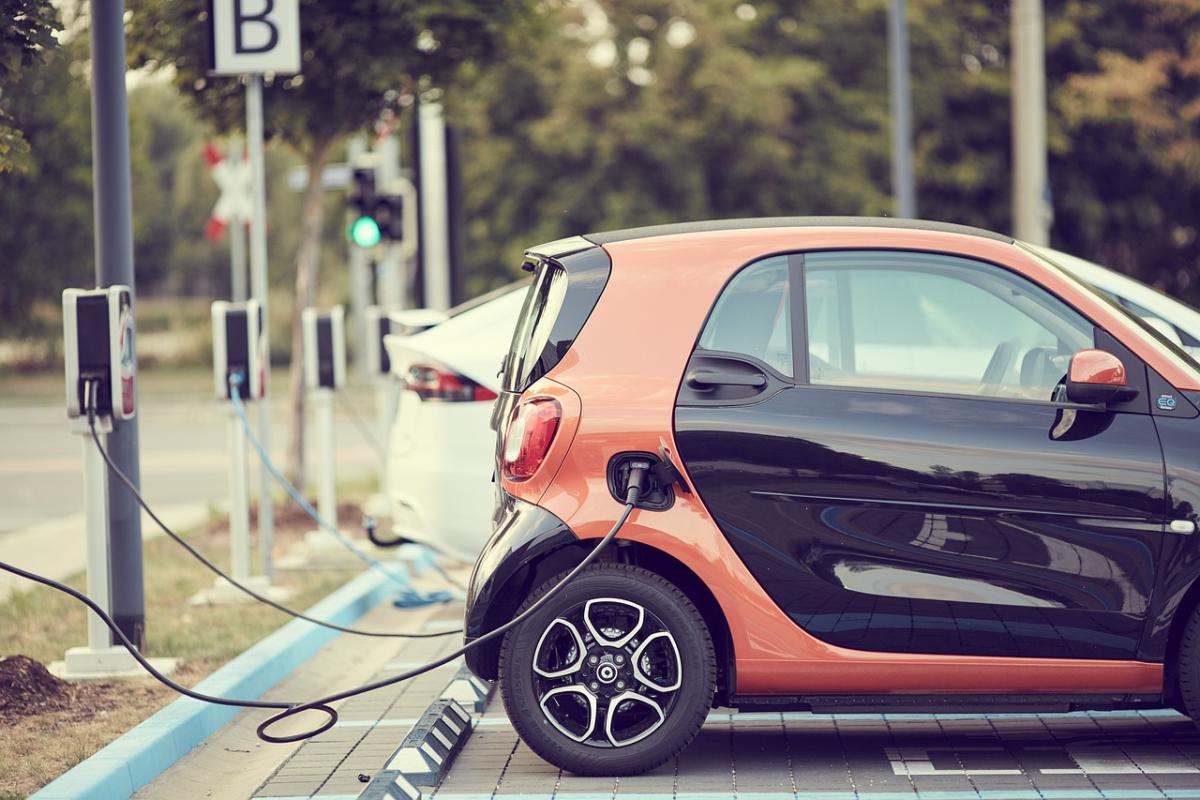
Charging stations for electric vehicles (EVs) can really shake things up for our energy grids. When you think about it, a whole bunch of cars plugging in to charge can greatly change electricity demand in a neighborhood or city. During peak times, when everyone is coming home from work and plugging in at once, the grid can get pretty strained. It’s like everyone decided to bake at the same time—all at once, it can cause a bit of a jam!
Communities are starting to realize the need for smart charging solutions. These systems help to spread out the demand for electricity. For example, if you can charge your EV overnight instead of during peak hours, it’ll ease the pressure on the grid. This way, the energy used is not only cheaper but also creates a smoother experience for everyone. It’s a win-win!
Another cool aspect is the potential for vehicle-to-grid technology. Imagine your car acting like a mini power plant. When your EV is charged and you don’t need it, it can send electricity back to the grid. This helps balance the load and keeps everything running smoothly. Plus, you might even get a little cash back or a discount on your bill for lending a hand!
As more people make the switch to electric vehicles, cities are planning for the growth of charging infrastructure. More charging stations mean more electric cars can hit the road. When done right, this transition can enhance grid reliability, making it smarter and more efficient. It’s a big shift toward a cleaner energy future, showing just how integral charging stations really are for our electrical systems.
Benefits of Smart Charging for Everyone
Smart charging is a game-changer for electric vehicle (EV) owners. First off, it makes charging super convenient. You can schedule when your car charges so that it takes advantage of off-peak energy rates. That means more savings on your electricity bill!
It’s not just about saving money. Smart charging allows you to control how your car interacts with the grid. Many smart chargers can communicate with your utility, adjusting your charging speed or even redirecting energy back to the grid when it’s needed most. This can help keep the energy grid stable, which is a big plus for everyone.
Plus, smart charging can help reduce your carbon footprint. When you charge during times when renewable energy sources are more active, like sunny or windy days, you’re using cleaner energy. Isn’t it nice knowing your ride is helping the planet?
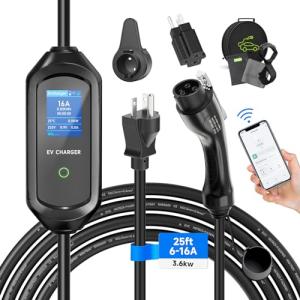
And let’s not forget about convenience. Many smart chargers come with handy apps that let you monitor your charging status from your phone. You can check how much power you have or see when your car is fully charged without stepping outside. It’s all about making your life easier while driving one of the coolest cars on the block!
Future of Energy with More EVs
As electric vehicles (EVs) continue to hit the roads, they’re changing how we think about energy and our grids. With millions of people making the switch to electric, it’s clear we’re headed toward a greener future. But what does this really mean for energy? Let’s unpack it!
First off, more EVs mean a greater demand for electricity. This isn’t just about charging at home. Think about all those fast chargers popping up downtown and along highways. As more people choose electric, energy providers will need to step up and ensure they have enough supply. This can spark innovations in how we generate and distribute energy. We might see a bigger push toward renewables like solar and wind, giving us cleaner options to power our growing number of EVs.
But it’s not just about demand. EVs can actually help stabilize the grid. Picture this: your parked EV can send power back to the grid during peak hours. This vehicle-to-grid technology is a game changer. It helps balance supply and demand and allows us to use renewable energy more effectively. Plus, it could save you money on your electric bill! Talk about a win-win.
Also, let’s consider the infrastructure side. Charging stations will need to be everywhere, from homes to offices to public spaces. This transition could create jobs and boost local economies. It’s exciting to think about how our neighborhoods will change as they adapt to support this EV revolution.
As we dive deeper into this energy evolution, it’s clear that more EVs will shape not just transportation but how we engage with energy as a whole. Embracing this change is key to building a sustainable future for everyone.